Technical Plumbing Profile

Emergency Water Heater Repair

Sudden tank ruptures, active relief valve floods, and electrical shorts require immediate intervention before structural water damage escalates.
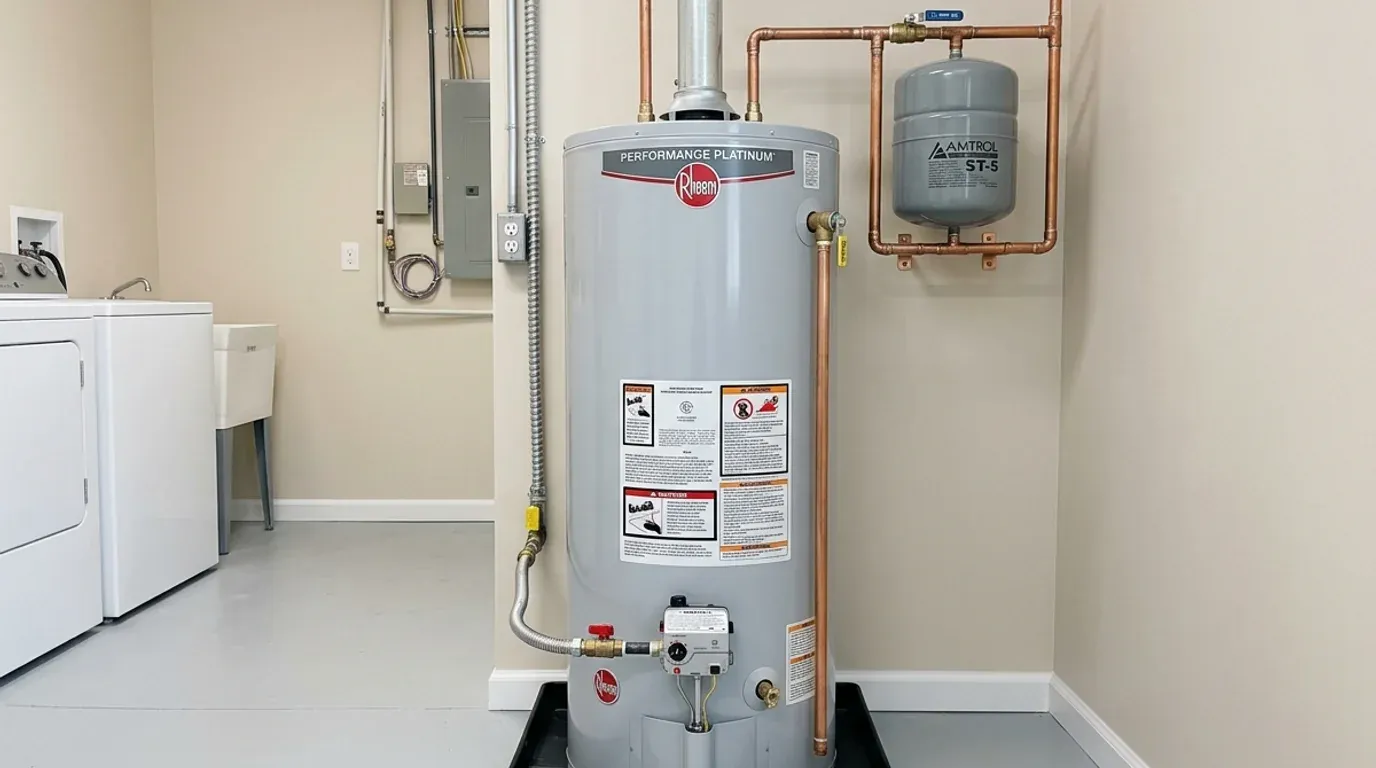
Emergency Water Heater Repair - professional diagnostic equipment, valves, and water heater repair components

Engineering Overview & Common Failure Modes

Ruptured supply lines and failed relief valves flood mechanical closets rapidly, pouring up to forty gallons of scalding water across subflooring within minutes. Emergency calls prioritize mechanical isolation, diagnosing catastrophic pressure surges, burner flare-ups, and thermal circuit burnouts. Technicians test expansion tanks to verify nitrogen bladder pressure, check temperature-pressure relief valves for calcification seizures, and inspect copper unions for pinhole corrosion. Immediate stabilization protects finished basements, drywall, and structural framing while isolating whether a mechanical component failed or the interior glass lining ruptured.

Urgent Warning Signs Requiring Immediate Dispatch

Standing water around tank base
Internal vessel fractures or fractured drain bibs leaking continuous gallons across flooring.
Blown temperature-pressure relief valve
Thermal expansion or overheating exceeding 150 PSI forcing the safety discharge open.
Sulfur or scorched electrical odor
Melting wire sheathing inside thermostat wells or gas combustion exhaust entering the room.
Loud hammering or popping noises
Trapped boiling steam bubbles detonating through heavy calcium sediment blankets.

Standard Diagnostic & Repair Protocol

Step 1: Isolate Supply Lines
Close the cold-water gate valve and disconnect electrical breakers or gas shutoffs.
Step 2: Discharge Vessel Pressure
Trip the safety relief lever into a steel bucket to verify the internal tank is depressurized.
Step 3: Inspect Vessel Seams
Determine whether the leak stems from threaded pipe nipples or an unrepairable tank weld split.
Step 4: Replace Critical Hardware
Install replacement relief valves, brass drain assemblies, or wiring components.
Experiencing These Symptoms?
Call our dispatch team with your equipment brand and approximate age for fast routing.
Call 877-315-0972

Request Diagnostic Service

Speak with our technical intake team to discuss your emergency water heater repair symptoms and receive clear pricing estimates.

877-315-0972

Frequently Asked Questions: Emergency Water Heater Repair

Practical answers regarding troubleshooting, part replacements, system lifespan, and safety precautions.

Active pooling around the tank base, persistent sulfur smells near gas burners, or scorched electrical odor at breaker boxes require prompt technical intervention.
Turn the dedicated oval wheel or quarter-turn lever located on the cold inlet pipe above the top jacket clockwise until it seats firmly.
Exterior plumbing connections, pressure relief pipes, and threaded drain valves can be replaced easily, whereas cracks in the glass-lined steel shell require replacement.
Overheated water exceeding 210 degrees Fahrenheit or hydraulic pressure surpassing 150 PSI forces the mechanical safety spring open to stop dangerous overpressurization.
Water breaching the element gasket contacts the energized copper sheath, instantly tripping double-pole breakers to head off an electrical fire.
Rotate the dial on the gas control box to the OFF position, open windows for cross-ventilation, and avoid operating light switches if fuel odors linger.
Connecting a heavy-duty garden hose to the lower drain fitting and routing it into a floor drain or sump pit relieves static head pressure.
Assessing electrical continuity, static water pressure, and combustion airflow typically takes 45 to 75 minutes to identify failures.
Direct Technician Routing

Avoid Catastrophic Water Damage. Call for Immediate Service.

Connect with our diagnostic dispatch desk for fast evaluation and technical assistance with your emergency water heater repair.